Managing communal waste within residential covenants requires strict logistical precision to avoid property damage and code enforcement friction. In historic communities like Grant Park, Inman Park, and…
Managing communal waste within residential covenants requires strict logistical precision to avoid property damage and code enforcement friction. In historic communities like Grant Park, Inman Park, and Virginia-Highland, tight residential streets and shared driveways leave zero room for heavy commercial transport errors. Dedicated wood blocking is set beneath every roll-off roller to isolate steel wheels from decorative pavers, exposed aggregate, and residential asphalt. This service eliminates the risk of concrete stress fractures while collecting volume that Atlanta Department of Public Works bulk curbside pickup categorically rejects, including multi-property tree trimmings and unauthorized construction piles.
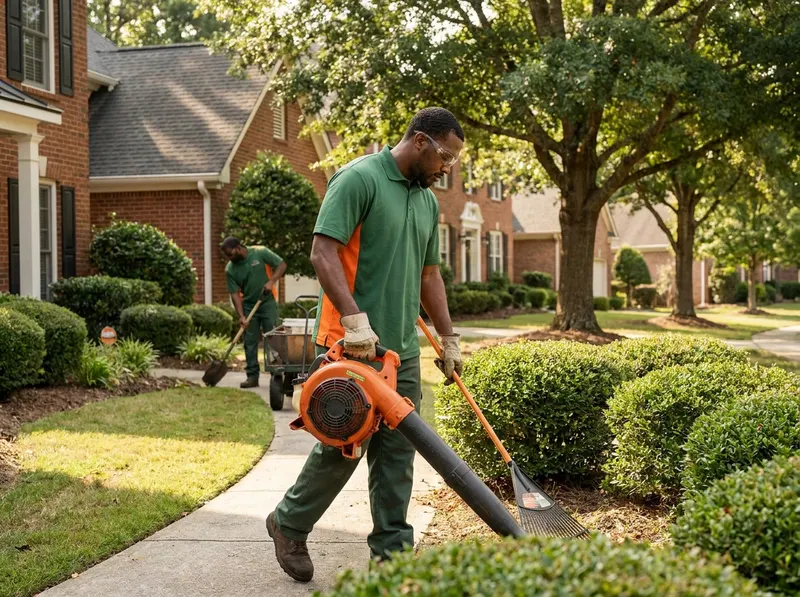
Neighborhood boards face direct pressure when uncollected debris violates municipal standards or private bylaws. In dense corridors near the Atlanta BeltLine Eastside Trail and Old Fourth Ward, discarded renovation materials and shared alleyway overflows trigger formal municipal warnings within days. A centralized roll-off container offers a single point of consolidation. For an HOA planning an annual common-grounds pruning day in Buckhead or Collier Hills, staging a 20-yard container in a clubhouse parking bay resolves the job in a single Saturday. Loading a personal pickup truck and running multiple trips to local transfer stations exposes volunteers to commercial tipping fees and consumes 6 to 8 hours of transport time. Choosing a centralized container trades self-hauling labor for an immediate, single-stage disposal site.
Placement operations adapt specifically to the property boundaries of each neighborhood. In Cabbagetown and Kirkwood, narrow right-of-ways require careful coordination around street parking, while suburban subdivisions in West End often designate shared cul-de-sacs. The workflow follows three direct steps: 1. Specify the designated drop zone and identify overhead utility wires or tree canopy obstructions; 2. Receive the driveway-protected container precisely aligned within the designated footprint; 3. Complete neighborhood loading before scheduled removal and transport to licensed regional processing facilities. Hazardous materials including wet paint cans, automotive fluids, and unmounted tires cannot enter the bin and must be routed to specialized Fulton County chemical disposal centers.
Every job gets a firm, written price after a free on-site visit.
Tell us about your community and hoa cleanup waste service job in Atlanta and we'll send a clear, written quote, usually the same day.
 Bayview Dumpster Rental